
EXPO 2025
Special Page


Unlocking the full potential of microorganisms and cells
with AI to advance bioproduction.
To build a sustainable society, bioproduction is gaining increasing attention as an alternative to fossil-fuel-based production, harnessing living organisms such as microorganisms and cells to produce pharmaceuticals, fuels, materials, and other products. We are committed to making bioproduction a reality across all industries, tackling the challenge of producing substances that have traditionally been difficult to manufacture at an industrial scale. To achieve this, we have developed proprietary technologies based on a unique perspective: harnessing the capabilities of living organisms without needing to fully understand their complex biological mechanisms. This approach has led to the development of SuuKo™, our AI-driven bioproduction management system.
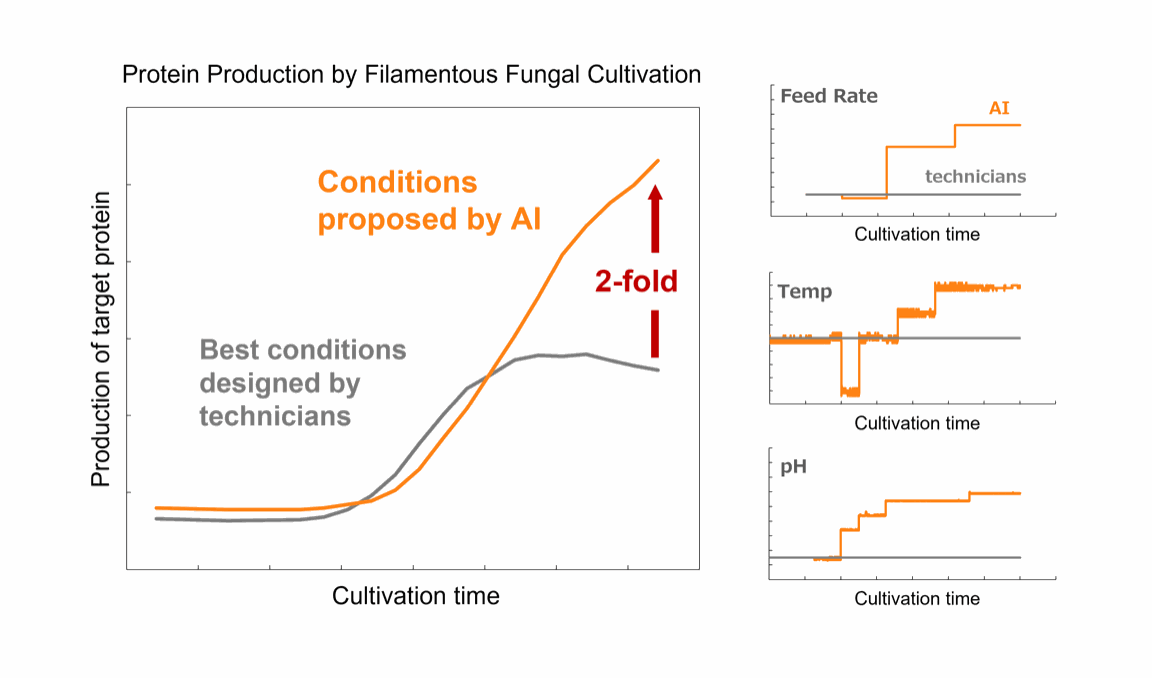
By collecting proprietary “SuuKo Data” specifically designed for AI analysis of microbial and cell culture processes, we enable advanced prediction and optimization. This accelerates process development and improves productivity.
Key Features of the System:
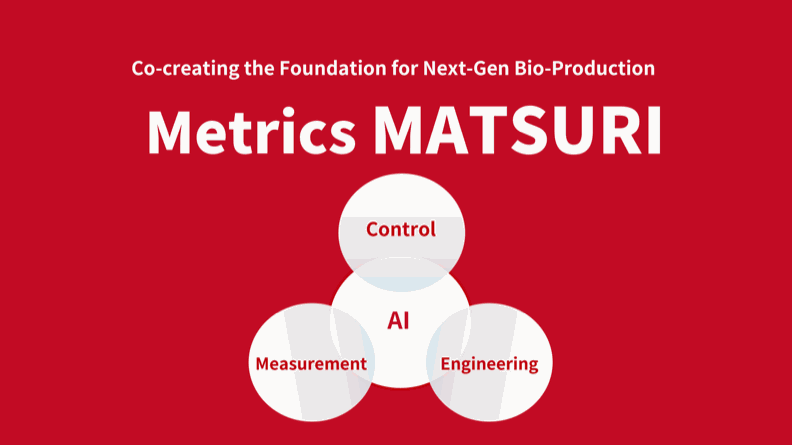
Integrating these technologies, SuuKo unlocks the full potential of living organisms and helps address a wide range of challenges.
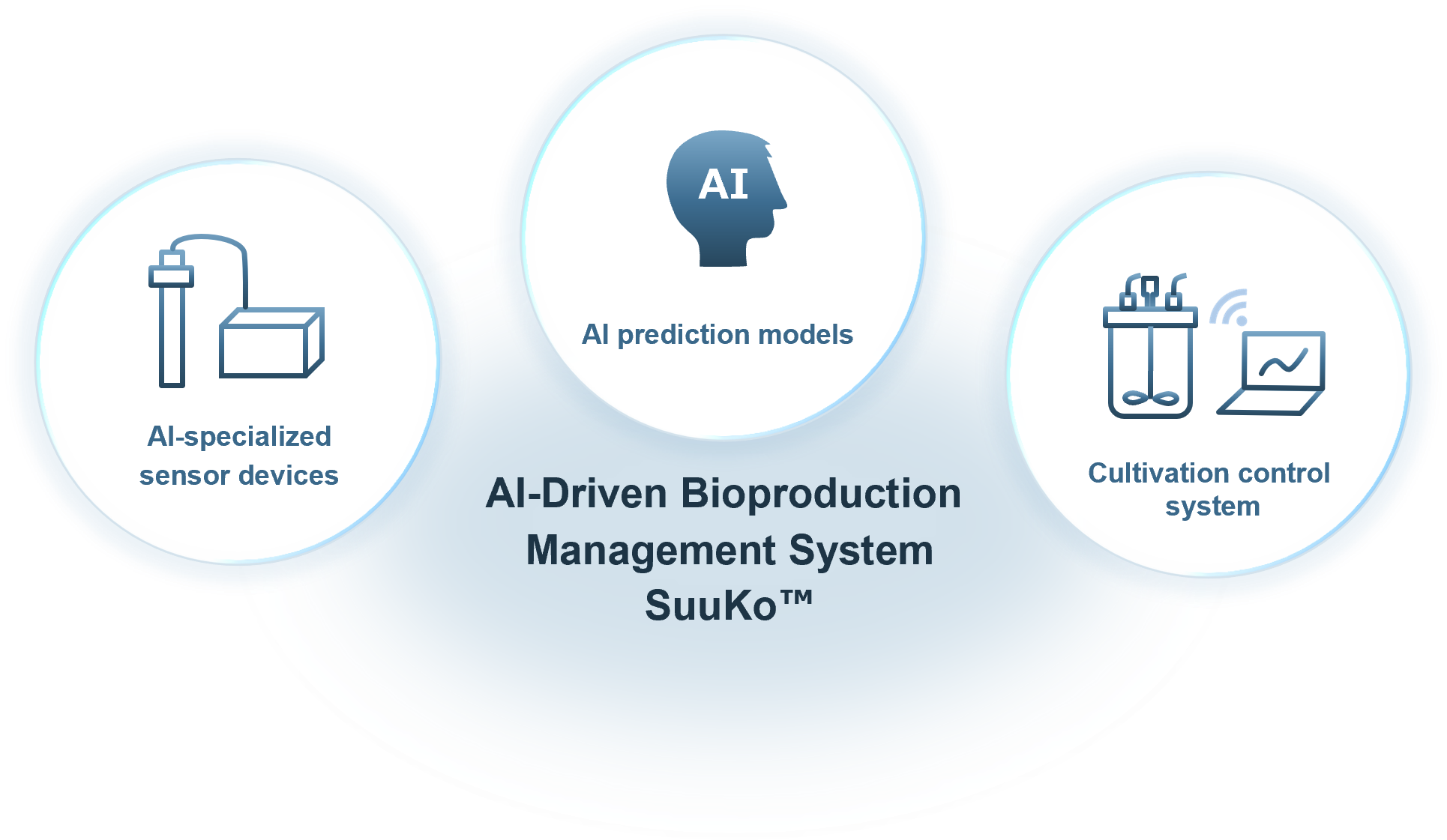
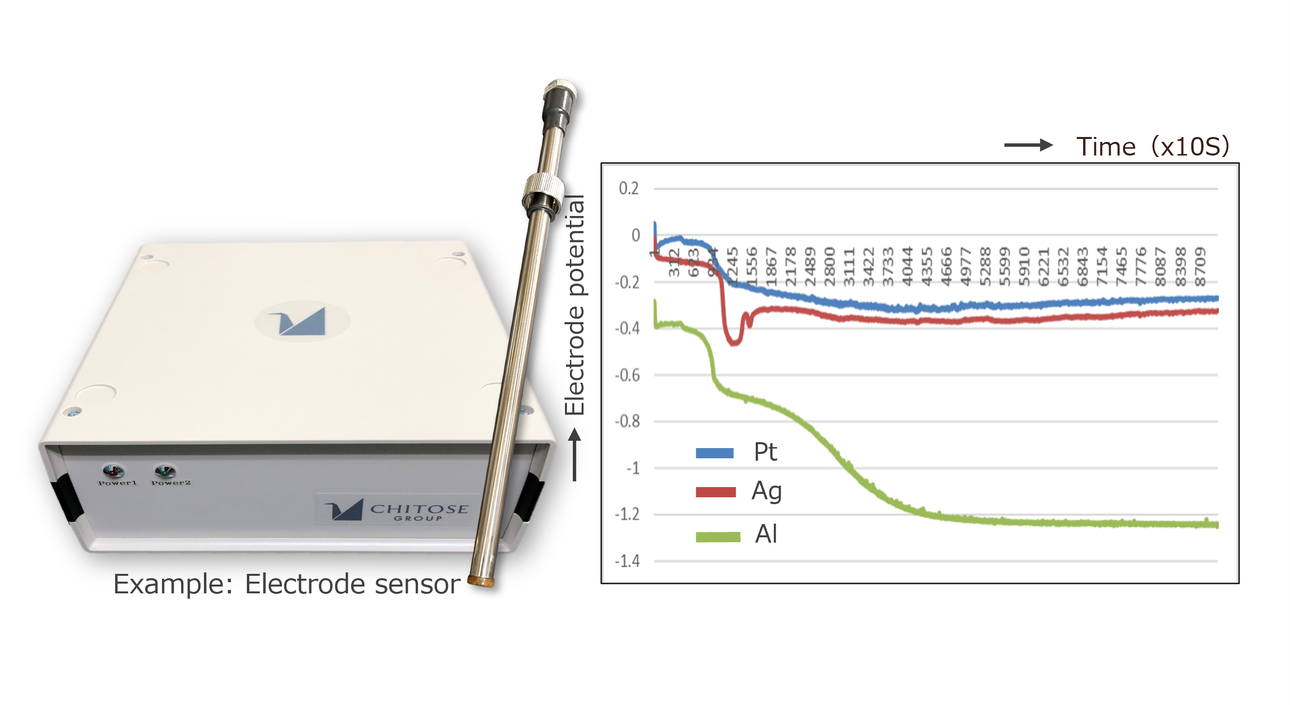
A range of proprietary sensor devices, including optical, electrochemical, and gas sensors, captures large-scale datasets specifically designed for AI analysis rather than human interpretation. We call this proprietary dataset “SuuKo Data.” By representing the culture state as SuuKo Data, AI identifies correlations within the data to accurately capture the continuously evolving state of the culture process.
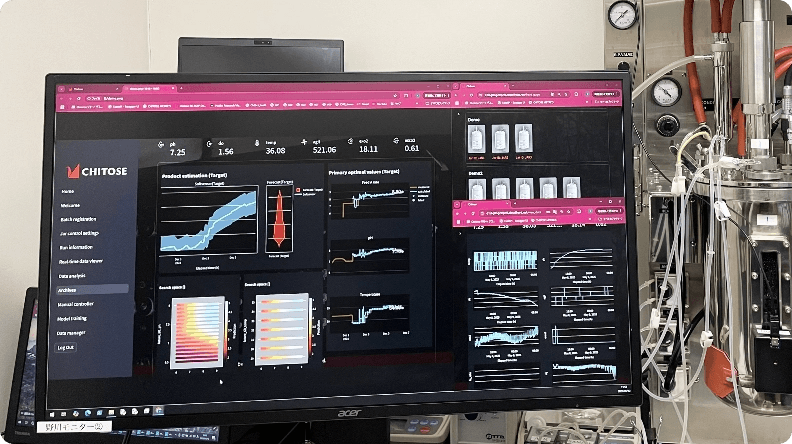
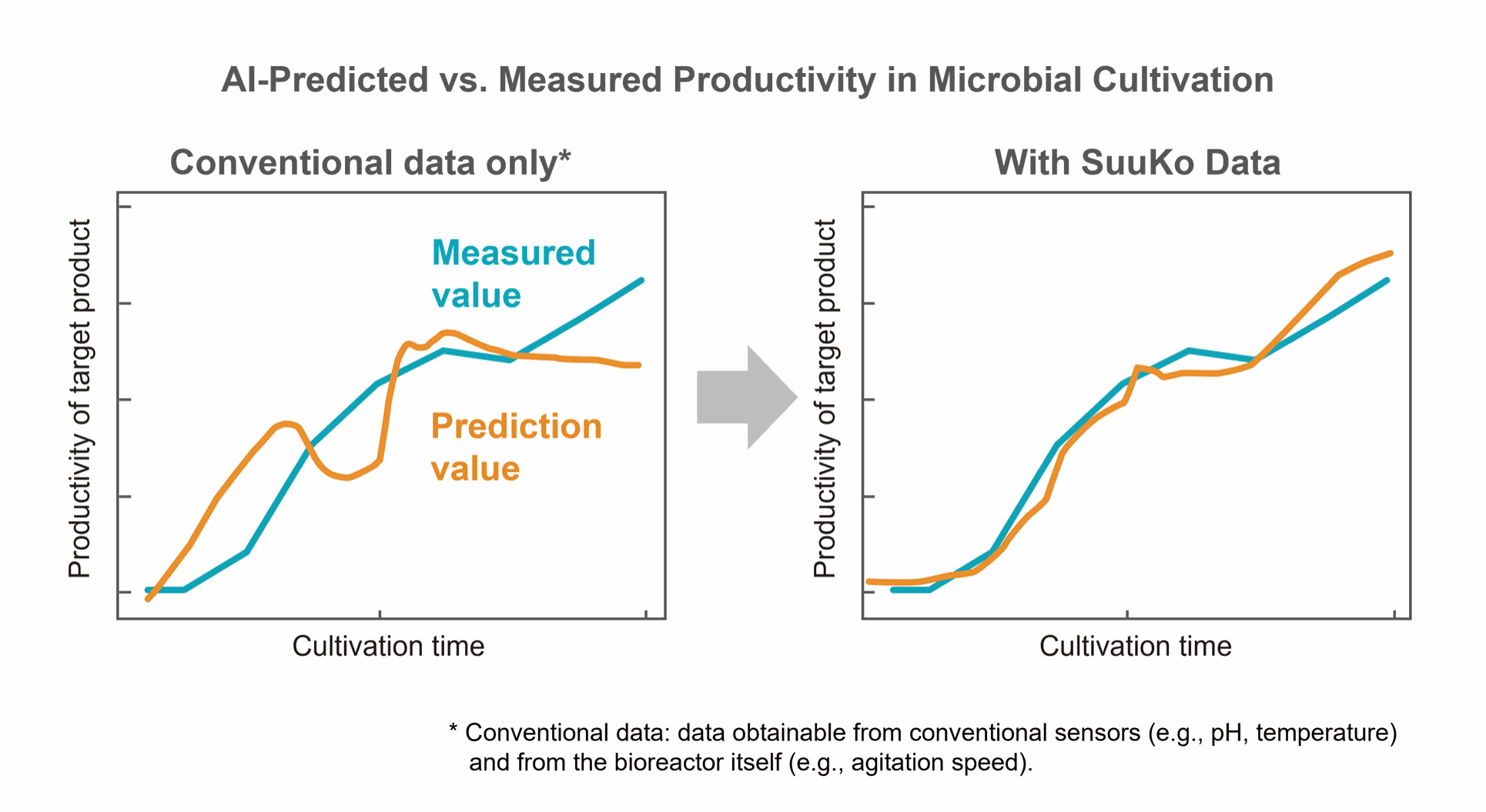
Prediction models are developed to estimate variables that cannot be measured online, such as product concentration, in real time using AI (soft sensors), as well as to predict optimal control parameters, including temperature and pH, for process optimization. Each model is tailored to the characteristics of the cultivation process and its specific objectives.
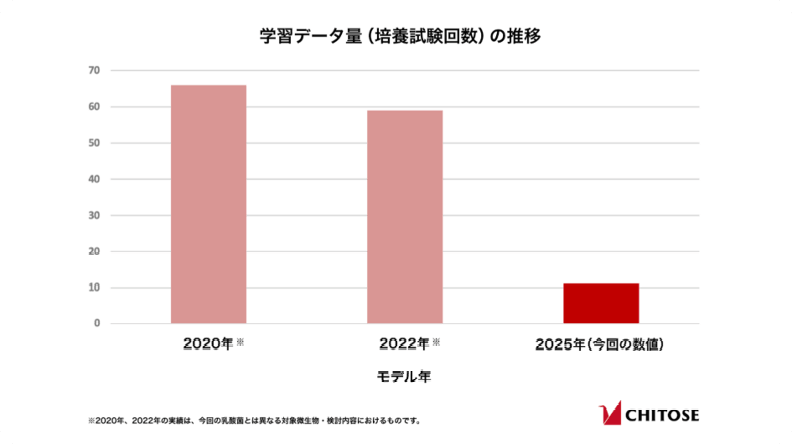
The integration of proprietary sensor devices specifically designed for AI analysis has been shown to improve prediction accuracy.
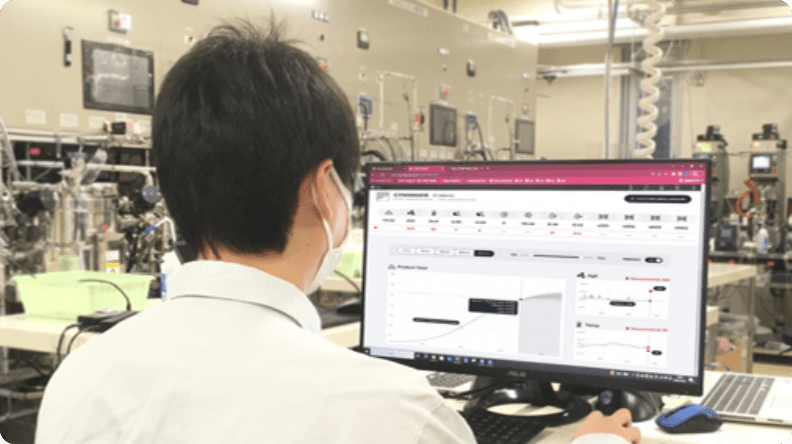
An integrated system handles the entire workflow, from cultivation data acquisition and analysis to feeding AI-generated predictions into the bioreactor and displaying results through a user interface (UI). Once cultivation is initiated through the system, data collection, AI-based predictions, and bioreactor control are performed automatically.

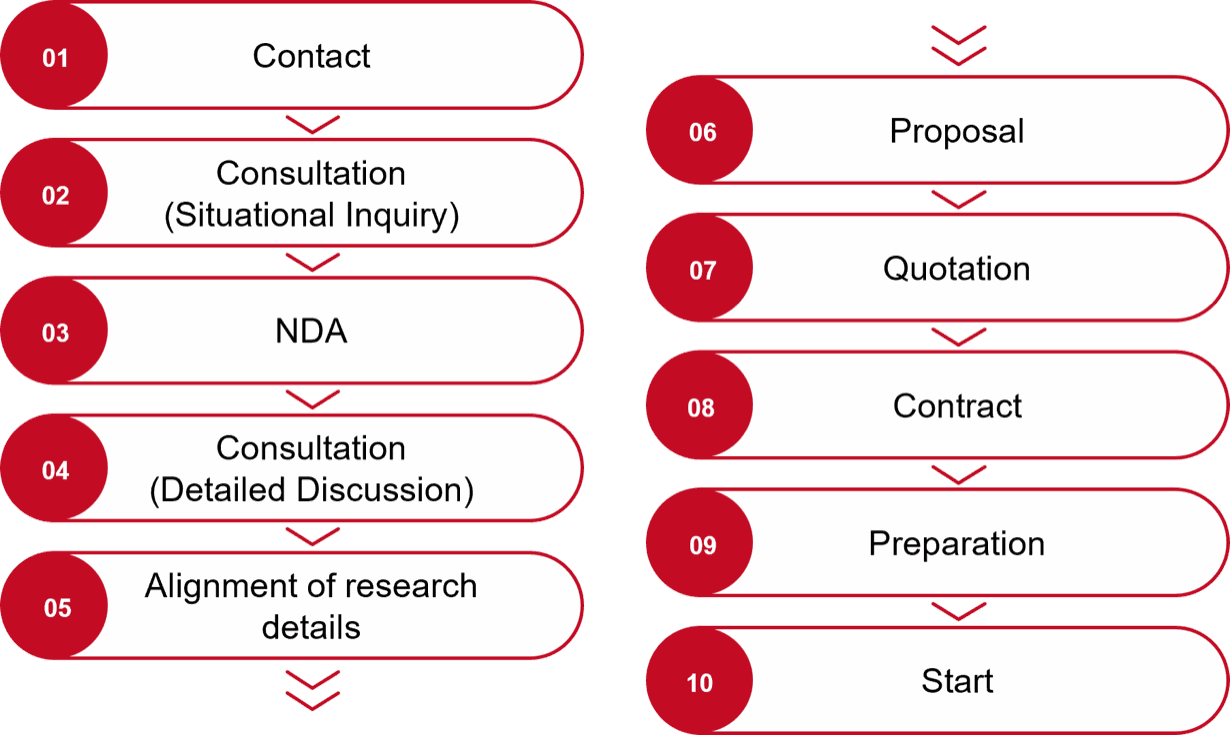
The process from initial inquiry to project commencement is outlined below. Online meetings are also available upon request.
Interested in our AI Bioproduction Service?
We’d love to hear from you.
Our AI Bioproduction Service is powered by Chitose Laboratory Corporation, the core company of the CHITOSE Group—a family of biotech enterprises leading the bioeconomy.
|
Company |
Chitose Laboratory Corporation |
|
Address |
KSP R&D C432, 3-2-1, Sakado, Takatsu-ku, Kawasaki, Kanagawa 213-0012, Japan |
|
Founded |
November 2002 |
|
Employees |
188, including contract and part-time staff (299 group-wide), as of October 1, 2026 |